Evaluating Dachshunds: Breed Traits and Creative Applications
The Dachshund, often colloquially known as the "wiener dog" or "sausage dog," is a breed characterized by its long body, short legs, and spirited personality. Originally bred in Germany for hunting badgers and other burrow-dwelling animals, the breed has evolved into one of the most recognizable companions in the canine world. However, interest in dachshunds extends beyond pet ownership; it encompasses a vibrant community of enthusiasts who appreciate the breed's unique silhouette for creative projects, including sublimation design, merchandise creation, and home decoration.
For individuals researching this topic, the decision to engage with dachshunds usually falls into two categories: selecting a pet or utilizing the breed's imagery for artistic and commercial purposes. Both avenues require a clear understanding of the subject matter to ensure expectations align with reality. This article evaluates the characteristics of the breed and explores the practical considerations of using dachshund-themed designs in various applications.
Understanding the Dachshund Breed
At its core, the dachshund is a hound with a distinct physical structure designed for functionality. Their elongated spine and low center of gravity allowed them to enter tunnels and dens to flush out prey. Today, these physical traits remain the breed's defining feature. They come in three coat varieties—smooth, longhaired, and wirehaired—and two sizes, standard and miniature.
Prospective owners or designers must recognize that the dachshund is not merely a aesthetic choice but a complex animal with specific needs. They are known for being clever, curious, and sometimes stubborn. Their bold nature, originally required for facing dangerous game, translates into a confident demeanor that can be challenging for first-time dog owners. Understanding these behavioral nuances is essential before committing to the breed as a companion.
The Appeal of Dachshund Imagery in Design
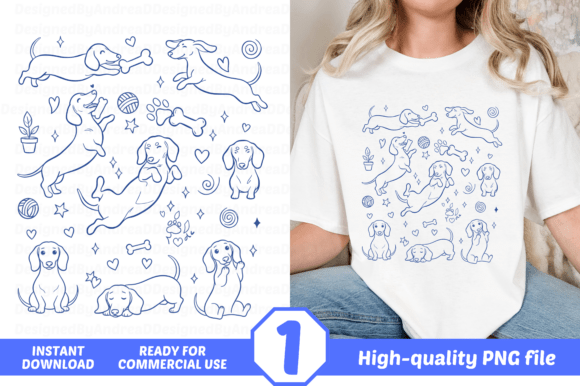
Beyond living companions, the visual identity of the dachshund has become a staple in the world of graphic design and DIY crafts. The breed's distinctive outline is instantly recognizable, making it an ideal subject for sublimation design. Sublimation printing involves transferring dye onto materials such as polyester fabrics, ceramics, and coated metals using heat and pressure. The result is a durable, high-resolution image that becomes part of the substrate rather than sitting on top of it.
Designers and hobbyists often seek high-quality digital assets, such as 300 DPI PNG files, to create custom products. A resolution of 300 dots per inch is the industry standard for print quality, ensuring that the final output remains crisp whether it is resized for a small sticker or enlarged for a wall illustration. The versatility of a transparent PNG file allows creators to layer the dachshund image over various backgrounds without unsightly white borders, facilitating professional-looking results for t-shirts, cards, and scrapbooks.
Benefits and Practical Applications
Utilizing dachshund-themed designs offers several benefits for both personal projects and small business ventures. For individuals, creating custom items allows for a personalized expression of affection for the breed. A sublimated mug featuring a favorite dog or a framed illustration for a nursery can hold significant sentimental value.
For entrepreneurs, the market for breed-specific merchandise remains robust. Niche audiences are often willing to invest in high-quality items that reflect their specific interests. By leveraging exclusive designs, business owners can expand their product lines to include:
- Apparel: T-shirts and hoodies that showcase the unique shape of the dachshund.
- Home Decor: Wall art, pillows, and coasters that add a whimsical touch to living spaces.
- Paper Goods: Greeting cards, invitations, and scrapbook elements tailored to dog lovers.
- Accessories: Stickers, keychains, and tote bags that serve as portable expressions of fandom.
The ability to easily resize digital files means that a single design asset can be adapted for multiple product types, maximizing the return on investment for the creator. Furthermore, the timeless appeal of the dachshund ensures that these designs do not quickly go out of style, providing longevity to the inventory.
Considerations and Tradeoffs
While the allure of dachshunds is strong, there are tradeoffs and considerations to keep in mind. For potential pet owners, the breed's physical structure predisposes them to spinal issues, particularly Intervertebral Disc Disease (IVDD). Owners must be vigilant about preventing jumps from heights and managing the dog's weight. This responsibility requires a lifestyle adjustment that may not suit everyone. Additionally, their independent streak can make training more time-consuming compared to other breeds.
In the realm of design, the quality of the source file is paramount. Using low-resolution images for sublimation can result in pixelated or blurry prints, which diminishes the perceived value of the final product. It is crucial to source files that offer true 300 DPI resolution and are optimized for color accuracy. Moreover, sublimation works best on light-colored, polyester-rich materials. Attempting to sublimate onto dark cotton fabrics, for instance, will yield poor results unless specific workarounds or alternative printing methods are used. Designers must understand these technical limitations to avoid wasted materials and customer dissatisfaction.
When Dachshunds Are a Strong Fit
The dachshund is a strong fit for individuals who appreciate a dog with a big personality in a small package and are prepared to manage their specific health needs. They thrive in environments where they receive consistent mental stimulation and moderate exercise. Similarly, in the creative sector, dachshund designs are an excellent fit for brands targeting pet lovers, families, and craft enthusiasts. If your goal is to create heartfelt gifts or build a niche product line, the universal recognition of the breed provides a solid foundation for engagement.
Scenarios where this focus pays off include seasonal campaigns, such as creating holiday cards featuring dachshunds in festive attire, or developing a cohesive collection of nursery decor for expecting parents who love the breed. The emotional connection people have with these dogs often drives purchasing decisions, making the subject matter highly effective for marketing.
When to Consider Alternatives
Conversely, there are situations where alternatives may be worth considering. For those seeking a low-maintenance pet regarding grooming or training, a different breed might be more appropriate. Similarly, if a design project requires printing on dark, 100% cotton garments, direct-to-garment (DTG) printing or vinyl heat transfer might be superior technical choices compared to sublimation.
Additionally, if the target audience is not specifically interested in dogs, a more generic or abstract design theme might yield broader appeal. It is important to evaluate the specific demographics of your audience before committing resources to a niche theme. Over-saturation in certain markets can also be a factor; if every competitor is selling similar dachshund mugs, differentiation through unique artistic styles or value-added features becomes necessary.
Making an Informed Decision
Ultimately, engaging with the world of dachshunds—whether as an owner or a creator—requires a balanced approach. Evaluate your capacity to meet the needs of the living animal or the technical requirements of the design medium. Ask yourself if the long-term commitment aligns with your lifestyle or business goals.
For designers, investing in high-quality assets, such as a 300 DPI PNG with exclusive rights, can streamline production and enhance product quality. For owners, education on breed-specific care is the first step toward a healthy relationship. By weighing the benefits against the responsibilities and technical constraints, you can determine if the dachshund is the right choice for your next endeavor. Whether printing a sticker or welcoming a new family member, the key lies in preparation and realistic expectations.