Mastering Your Mardi Gras Designs: A Guide to Using Rollin with My Krewe PNG and Carnival PNG Files
There is a distinct energy that comes with preparing for Carnival season. Whether you are a small business owner gearing up for your busiest month, a hobbyist making matching shirts for your walking krewe, or a parent organizing a family parade outfit, the pressure to deliver high-quality designs is real. This is where digital assets like the Rollin with My Krewe PNG and various Carnival PNG graphics become essential tools in your creative arsenal. However, simply downloading a file and hitting "print" often leads to disappointing results if you do not understand the nuances of digital design files.
Many creators rush into projects during the festive rush, overlooking critical details about file formats, resolution, and compatibility. These oversights can turn a vibrant, fun project into a pixelated mess or a wasted expense. By understanding exactly what you are buying and how to prepare your workspace, you can ensure your final products—from sublimated tumblers to pressed t-shirts—look professional and festive.
Understanding the Value of High-Resolution Digital Assets
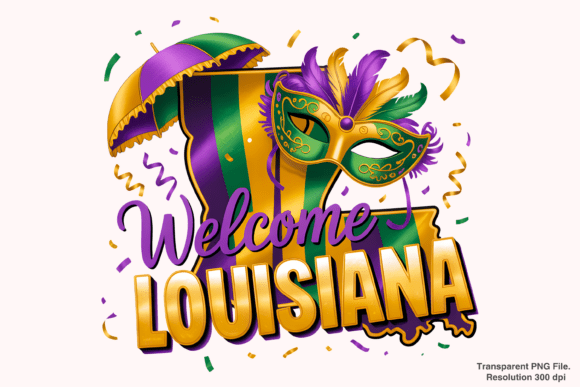
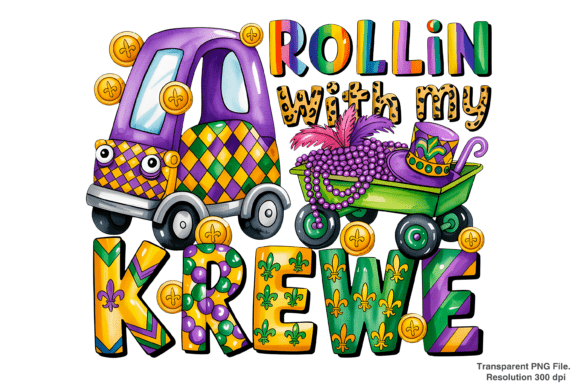
When you purchase a premium graphic, such as a Rollin with My Krewe PNG, you are investing in more than just an image; you are buying time and quality assurance. A high-quality listing typically includes a transparent background, 300 DPI resolution, and specific dimensions, such as 12 × 12 inches. These specifications are not arbitrary numbers; they are the foundation of a crisp print.
A common misunderstanding among beginners is assuming that any image found online or purchased cheaply will work for physical products. Low-resolution images might look fine on a smartphone screen, but when scaled up for a hoodie or a wall art print, they break apart into jagged pixels. The difference between a 72 DPI web graphic and a 300 DPI print-ready file is the difference between a professional product and an amateur one. Always verify that your Carnival PNG files are labeled explicitly for high-resolution printing before you begin your design process.
Pitfalls to Avoid When Selecting and Using Graphics
Even with the right file in hand, several common mistakes can derail your project. Being aware of these traps allows you to correct your approach before you waste materials or miss a deadline.
- Ignoring Color Profiles: One of the most frequent issues arises from color variation. What you see on your monitor is often in RGB (light-based), while printers use CMYK (ink-based). If you do not account for this, the vibrant purples, greens, and golds of your Carnival design may print looking dull or muddy. Always check your printer's settings and consider doing a test print on standard paper before committing to expensive sublimation blanks or garment transfers.
- Misinterpreting "Transparent Background": While a premium PNG comes with a transparent background, importing it into certain software can sometimes introduce a white halo or box if the program does not support alpha channels correctly. Before placing your Rollin with My Krewe PNG onto a colored mockup or a dark t-shirt layout, zoom in closely to ensure the edges are clean. If you see a white outline, you may need to use a "matting" feature in your design software to blend the edges.
- Overlooking Scale and Placement: A 12 × 12 inch file is versatile, but it does not mean it fits every product perfectly without adjustment. Placing a large graphic on a small tumbler can obscure important details, while shrinking it too much for a tote bag might make the text unreadable. Evaluate the physical dimensions of your blank item first, then scale your digital asset proportionally.
- Assuming Universal Compatibility: Not all design software handles PNG layers the same way. Some basic editors might flatten the image upon import, removing your ability to add text or other elements around the main graphic. Ensure your chosen software supports layering if you plan to customize the design with names or dates.
Practical Strategies for Professional Results
To avoid these pitfalls, adopt a workflow that prioritizes verification and preparation. Start by organizing your digital downloads immediately after purchase. Create a dedicated folder for your Mardi Gras assets so you are not scrambling to find the correct Carnival PNG when orders start pouring in.
Before sending anything to a heat press or printer, utilize the "mockup" feature in your design software. Most modern platforms allow you to place your graphic onto a virtual t-shirt, mug, or tote bag. This step helps you visualize the final scale and color contrast. For instance, if you are creating trendy t-shirts for your krewe, place the Rollin with My Krewe PNG on a virtual black shirt to ensure the colors pop against the dark fabric. If the design looks washed out in the mockup, you may need to adjust the brightness or contrast settings slightly before exporting.
Another crucial step is understanding the limitations of your specific printing method. Sublimation requires light-colored polyester blends to achieve vibrant results, whereas direct-to-garment (DTG) or heat transfer vinyl (HTV) works differently. If you are using a sublimation printer, remember that your design must be mirrored before printing. Forgetting this simple step is a costly error that renders a batch of mugs or ornaments unusable. Double-check your print settings dialog box every single time.
Maximizing Versatility Across Different Products
The beauty of a high-quality, versatile graphic is its adaptability. The same Rollin with My Krewe PNG file can be utilized across a wide range of products, maximizing your return on investment. Consider how you can stretch a single design across multiple revenue streams or gift ideas:
- Apparel: Use the graphic for hoodies and t-shirts, but vary the placement. A chest pocket logo offers a subtle look, while a full-back print makes a bold statement for parade days.
- Drinkware: Sublimation on tumblers and mugs is incredibly popular. Ensure you wrap the design correctly around the curvature of the cup so the text remains legible from the front.
- Home Décor and Accessories: Don't limit yourself to wearables. These designs translate beautifully onto tote bags for carrying beads, stickers for laptops and water bottles, and even greeting cards for inviting friends to pre-parade parties.
- Small Business Bundles: If you are an entrepreneur, consider offering bundles. Sell a matching set that includes a shirt, a sticker, and a digital invitation featuring the same cohesive Carnival PNG artwork.
Final Checks Before You Commit
Before you finalize your purchase or start your production run, take a moment to review the listing details thoroughly. Confirm that the file is indeed a digital download and not a physical item, as shipping times for physical goods can delay your project. Read the license terms carefully; while many files allow for commercial use, some may have restrictions on the number of units you can sell or require attribution.
Additionally, keep in mind that monitor calibration varies. The colors on your screen may differ slightly from the printed output. This is normal in the printing industry, but being prepared for slight variations prevents unnecessary frustration. If color accuracy is critical for a large order, request a proof or run a small test batch first.
By approaching your projects with a mindset focused on quality control and preparation, you transform a simple digital download into a professional-grade product. Whether you are crafting for fun or building a seasonal business, paying attention to resolution, color management, and application methods ensures that your Mardi Gras creations stand out in the crowd. Embrace the creativity of the season, but ground your execution in these practical standards to guarantee satisfaction for yourself and your customers.