Integrating I Fight What You Fear Png Sublimation into Your Creative Workflow
In the landscape of modern digital crafting and small business operations, efficiency is not just a buzzword; it is the backbone of profitability and creative freedom. For creators ranging from hobbyists to established entrepreneurs, the ability to source high-quality assets that require minimal preparation but deliver maximum impact is crucial. This is where I Fight What You Fear Png Sublimation files become an essential component of a streamlined production pipeline. Rather than viewing this asset merely as a graphic to be printed, successful operators treat it as a pre-validated element in a broader manufacturing and design process.
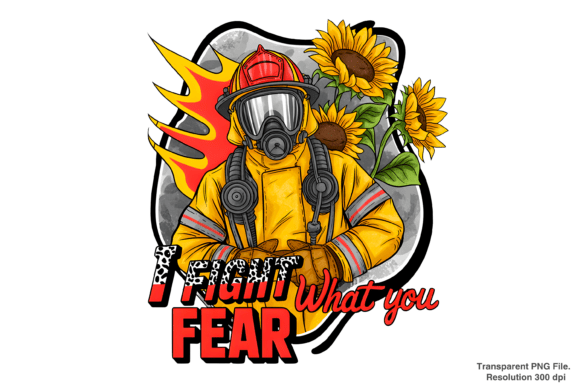
The phrase "I Fight What You Fear" carries significant emotional weight, often resonating with themes of courage, mental health awareness, or personal empowerment. When translated into a sublimation-ready format, it transforms from a concept into a tangible product. However, the true value lies in how seamlessly this specific PNG integrates into your existing workflow, reducing friction between the idea phase and the final physical output.
Pre-Production: Asset Verification and Preparation
Before any heat press is warmed or any substrate is cleaned, the workflow begins with digital asset management. The I Fight What You Fear Png Sublimation file included in premium listings typically arrives as a high-resolution 300 DPI image with a transparent background. Understanding the technical specifications at this stage prevents costly errors later.
A critical step in the planning phase is verifying compatibility with your design software. Whether you utilize Adobe Photoshop, Illustrator, Canva, or CorelDRAW, the transparency of the PNG is vital. Unlike JPEGs, which introduce white backgrounds that can ruin sublimation transfers, a transparent PNG allows you to layer the design over various mockups or combine it with other graphical elements without manual editing. This saves time during the setup phase, allowing you to focus on composition rather than cleanup.
Furthermore, checking the resolution ensures that the final print remains crisp regardless of the product size. A 12 × 12 inch canvas at 300 DPI provides sufficient pixel density for most standard apparel and home décor items. If your project requires scaling beyond these dimensions, knowing the source limits early prevents pixelation issues that could compromise product quality. This proactive check is a hallmark of professional workflow management, ensuring consistency across batches.
Design Integration and Customization Strategies
Once the asset is verified, the process moves to the design studio environment. Here, the I Fight What You Fear Png Sublimation graphic serves as the focal point, but its application can vary widely based on your target audience and product line. For t-shirts and hoodies, the placement is standard, but for tumblers, mugs, and tote bags, the design must be adapted to fit curved or irregular surfaces.
Effective integration involves considering the color profile of your substrates. Sublimation works best on polyester-coated items or light-colored fabrics. The vibrant design quality of the PNG means colors will pop, but only if the base material supports it. During the design phase, creators should simulate the final look using digital mockups. This step helps visualize how the text interacts with the product's shape and whether additional decorative elements—such as floral accents, geometric patterns, or texture overlays—are needed to enhance the core message.
For those running a small business, this stage is also where branding opportunities arise. You might choose to add your shop's logo subtly near the hem of a shirt or on the bottom of a mug wrap. Because the PNG is clean and ready to use, adding these personalized touches requires minimal effort, allowing for rapid customization without sacrificing the integrity of the original artwork.
Execution: From Digital File to Physical Product
The transition from screen to substrate is where theoretical planning meets physical reality. When working with I Fight What You Fear Png Sublimation files, the printing process demands attention to detail regarding color management. It is important to note that colors may vary slightly due to monitor and printer settings. Professional workflows account for this by maintaining calibrated monitors and performing test prints on standard paper before committing to expensive sublimation paper.
During the pressing stage, the simplicity of the design allows for consistent results. Whether you are creating wall art, greeting cards, or DIY crafts, the uniformity of the ink distribution is key. The high-resolution nature of the file ensures that fine lines in the typography remain sharp after the heat transfer process. This reliability reduces waste, a critical factor for maintaining healthy margins in a production environment.
Additionally, the versatility of the asset supports batch processing. Since the file is ready for instant download and immediate use, you can queue multiple jobs. For example, a creator might set up a run of twenty tumblers and ten tote bags simultaneously. The standardized size and quality of the PNG mean that adjustments between different product types are minimal, facilitating a smooth assembly-line approach to fulfillment.
Post-Production Quality Control and Scaling
After the heat press cycle is complete and the items have cooled, the workflow shifts to quality control. This is the stage where the promise of "clean, vibrant design quality" is validated. Inspect each item for color accuracy, alignment, and any potential ghosting or blurring. Because the source file was optimized for sublimation, defects at this stage usually point to equipment issues rather than design flaws, making troubleshooting more straightforward.
For entrepreneurs looking to scale, the I Fight What You Fear Png Sublimation asset offers long-term utility. Unlike trending memes that fade quickly, empowering messages have evergreen appeal. This allows you to keep the design in your catalog for extended periods, rotating it through different seasonal collections or product bundles. You might feature it prominently during Mental Health Awareness Month or pair it with new product launches to refresh your inventory without designing from scratch.
Organization is key to long-term success. Store the original PNG in a structured digital library, categorized by theme, season, or product type. Tagging the file with relevant keywords ensures that when you need a quick win for a slow sales week, you can locate and deploy the asset immediately. This systematic approach to asset management turns a single purchase into a recurring revenue stream.
Maximizing Value Across Diverse Applications
The utility of this specific design extends far beyond standard apparel. Its adaptability makes it suitable for a wide array of creative projects. Educators might use it for classroom decorations that promote bravery, while bloggers could incorporate it into digital planners or printable journals. The commercial license often associated with such purchases allows for unlimited physical end-products, giving freelancers and agencies the flexibility to fulfill client requests without licensing hurdles.
Consider the synergy with other tools in your stack. If you use print-on-demand services, having a local copy of the high-res PNG ensures you can upload the highest quality version directly, avoiding compression artifacts that platforms sometimes introduce. If you handle fulfillment in-house, the file's readiness reduces the turnaround time from order to shipment, enhancing customer satisfaction.
Ultimately, the goal is to integrate I Fight What You Fear Png Sublimation so naturally into your routine that it feels like an extension of your own creativity. By focusing on preparation, compatibility, and efficient execution, you transform a simple digital download into a robust tool for business growth and artistic expression. The result is a workflow that is not only productive but also sustainable, allowing you to create meaningful products that resonate with your audience while maintaining operational excellence.