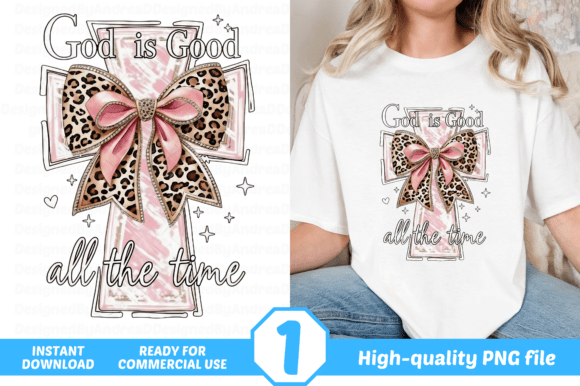
Creating Faith-Filled Designs: Mastering the "God is Good All the Time" Sublimation Trend
Few phrases resonate as deeply within the creative community and the broader public as God is Good All the Time. It is more than just a popular slogan; it is a declaration of faith that transcends seasons, trends, and personal circumstances. For creators, entrepreneurs, and hobbyists looking to produce meaningful merchandise, this phrase offers a powerful connection point with an audience seeking encouragement. However, turning a digital file into a high-quality physical product requires more than just enthusiasm. It demands attention to detail, technical understanding, and a commitment to quality that honors the message itself.
When you download a design labeled as a God is Good All the Time PNG intended for sublimation, you are acquiring a tool for your business or personal projects. The potential applications are vast, ranging from custom t-shirts and tumblers to wall decor and scrapbook pages. Yet, many beginners and even seasoned professionals overlook critical aspects of file usage that can compromise the final result. By understanding common pitfalls regarding resolution, color management, and material compatibility, you can ensure your creations look professional and last.
The Critical Importance of Resolution and File Quality
One of the most frequent mistakes creators make is assuming all PNG files are created equal. In the world of sublimation printing, image fidelity is paramount. A design might look crisp on your computer screen, but if the source file lacks sufficient resolution, it will appear pixelated or blurry once printed on fabric or ceramic. When evaluating a God is Good All the Time design, always verify that the file is provided at 300 DPI (dots per inch). This is the industry standard for high-quality printing.
Many low-cost or free downloads offer images at 72 DPI, which is suitable for web display but disastrous for physical products. If you attempt to enlarge a low-resolution image to fit a large tote bag or a full-size t-shirt, the software must invent pixels, resulting in a jagged, amateurish appearance. This not only ruins the aesthetic appeal but can also damage your reputation if you are selling these items. Always check the file properties before starting your project. If the design allows for easy resizing without loss of quality, you have a versatile asset. If not, stick to smaller applications like stickers or cards where the pixel density remains high even at reduced sizes.
Understanding Sublimation Mechanics and Color Vibrancy
Sublimation is a unique printing process where heat turns solid ink into gas, bonding it directly to polymer-coated surfaces. A common misunderstanding among newcomers is expecting white ink to print. Sublimation printers do not lay down white ink; they dye the substrate. Therefore, the background of your PNG file must be transparent. If your downloaded design has a white box around the text "God is Good All the Time," that white area will simply remain the color of your blank product.
This leads to a crucial decision point: the color of your base material. To achieve the vibrant, eye-catching results seen in professional shops, you must use light-colored or white blanks. Attempting to sublimate this design onto a black t-shirt or a dark mug will result in the colors washing out or becoming invisible against the dark background. Some creators try to workaround this by using transfer paper for dark garments, but this changes the hand-feel of the product and is technically not sublimation. For the best outcome, pair your high-resolution PNG with white or pastel polyester-blend fabrics and coated ceramics. This ensures the typography pops and the message remains clear and legible.
Choosing the Right Products for Your Design
The versatility of a well-constructed design file means you can apply it to numerous products, but context matters. Just because you can print a design on something doesn't mean you should. For instance, placing a complex, text-heavy God is Good All the Time graphic on a small, curved surface like a pen or a narrow water bottle strap can make the text unreadable. The curvature distorts the image, and the limited space cramps the lettering.
Instead, consider the scale and shape of your canvas. Flat surfaces like mouse pads, coasters, and framed illustrations allow the design to shine without distortion. For apparel, chest prints or full-back designs on hoodies provide ample space for the typography to breathe. If you are creating stickers or decals, ensure the cut lines in your software align perfectly with the edge of the design to avoid awkward white borders. Thinking critically about the end-use of the product before you hit "print" saves both materials and time.
Licensing and Commercial Use: Protecting Your Business
For entrepreneurs and small business owners, the legal aspect of using digital assets is often overlooked until a problem arises. When you purchase or download a Sublimation Design, you must carefully review the license agreement. Does the file include rights for commercial use? Can you sell unlimited physical items made with the design, or is there a cap on production volume? Some licenses restrict usage to personal projects only, meaning selling shirts with that specific design would be a copyright violation.
Furthermore, be wary of "exclusive" claims unless they are backed by a guarantee that the seller has removed the file from sale after your purchase. In reality, most digital marketplaces sell the same file to hundreds of customers. This isn't necessarily a bad thing, but it means your product won't be one-of-a-kind in the marketplace. To differentiate your brand, focus on your presentation, the quality of your blanks, and perhaps combining the God is Good All the Time text with your own unique graphical elements or layouts. Adding value through superior craftsmanship and thoughtful bundling (like pairing a mug with a matching coaster) creates a unique customer experience even if the core graphic is widely available.
Practical Steps for Flawless Execution
To maximize the potential of your design and avoid the frustrations of wasted inventory, adopt a disciplined workflow. Before committing to a large batch, always run a test print. Colors on your monitor often differ from the final sublimated output due to color profile differences between RGB (screen) and CMYK/sublimation profiles. A test print on a scrap piece of paper or a cheap blank allows you to adjust brightness, contrast, and saturation settings in your editing software.
- Verify Transparency: Open the PNG in your editing software and toggle the background layer off to ensure no hidden white pixels exist around the text.
- Check Dimensions: Ensure the image dimensions match your intended print size at 300 DPI before scaling.
- Mirror Your Image: Remember that sublimation requires mirroring the image horizontally before printing, or your text will appear backward on the final product.
- Heat Press Calibration: Different substrates require different temperatures and press times. Follow the manufacturer's guidelines for your specific blanks to prevent scorching or under-transferring.
By paying attention to these details, you transform a simple digital download into a high-quality tangible good. Whether you are making gifts for family, decorating your home, or building a catalog for your online store, the integrity of your process reflects the sincerity of the message. God is Good All the Time is a statement of unwavering hope; your creations should reflect that same standard of excellence and care.
Ultimately, the success of your project lies in the preparation. Taking the time to understand the technical requirements of sublimation, respecting licensing terms, and choosing the right materials will set you apart from those who rush the process. With the right approach, this timeless phrase can become the centerpiece of beautiful, enduring products that bring joy and inspiration to everyone who sees them.